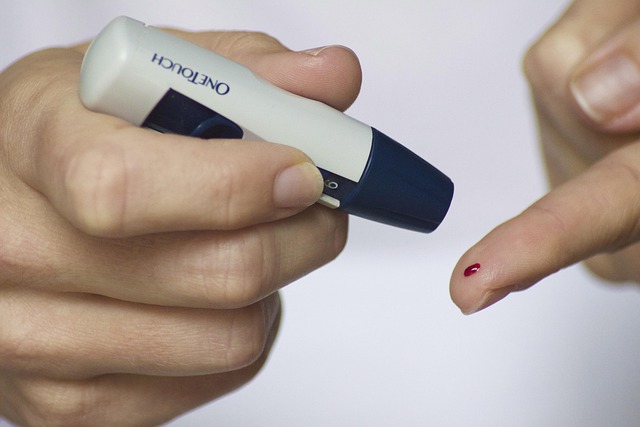
Six Sigma Project Templates Healthcare enhance diagnostic testing accuracy through data-driven process improvement. Structured DMAIC phases guide organizations in eliminating defects and variability. Collaboration with medical experts and integration of statistical tools optimize patient outcomes by reducing errors and improving test reliability. Tailored guidance from specialists promotes operational excellence, leading to streamlined operations and enhanced care quality, as evidenced by significant reductions in false-positive rates.
In the realm of healthcare, accurate diagnostic testing is paramount for effective patient care and outcomes. However, errors and inconsistencies can lead to misdiagnosis and improper treatment. To address this critical issue, leveraging Six Sigma methodologies offers a robust solution. This article explores practical strategies and techniques within the framework of Six Sigma Project Templates Healthcare, providing a systematic approach to enhance testing accuracy. By employing data-driven methods, process improvements, and statistical analysis, healthcare professionals can strive for near-perfect diagnostic results, ultimately fostering safer and more precise patient management.
- Understanding Six Sigma Methodology for Healthcare Testing
- Defining Diagnostic Testing Challenges in Clinical Settings
- Data Collection & Analysis Using Six Sigma Tools
- Process Improvement through Statistical Methodologies
- Implementing and Measuring Success of Six Sigma Projects
Understanding Six Sigma Methodology for Healthcare Testing

The healthcare industry is constantly seeking methods to enhance diagnostic testing accuracy, ensuring faster and more reliable patient outcomes. Six Sigma, a data-driven methodology, offers a powerful framework for achieving this goal. By focusing on process improvement and quality control, Six Sigma Project Templates Healthcare can revolutionize medical diagnostics, reducing errors and improving overall operational excellence.
At its core, Six Sigma emphasizes the removal of defects in processes through rigorous root cause analysis workshops tailored for the medical field. These workshops facilitate a deep dive into healthcare operational frameworks, enabling professionals to identify and eliminate potential sources of variation and error. For instance, a case study involving a hospital’s blood testing process revealed that a simple adjustment in the specimen handling procedure significantly reduced false negatives, underscoring the methodology’s impact on improving test accuracy.
Implementing Six Sigma involves several structured phases, each with defined goals: define, measure, analyze, improve, and control (DMAIC). Healthcare organizations can adapt these steps to create customized project templates, ensuring a systematic approach to problem-solving. By analyzing data and employing statistical tools, medical professionals can make informed decisions to streamline processes. For example, using root cause analysis, a clinic identified that delays in patient registration were due to an outdated system. Implementing a new, user-friendly interface improved efficiency, leading to reduced wait times and higher patient satisfaction.
To maximize the benefits of Six Sigma in healthcare testing, consider collaborating with experts who specialize in medical process improvement. These professionals can guide institutions through the creation of tailored project plans, ensuring successful outcomes. Additionally, staying updated on industry trends and best practices related to operational excellence frameworks will enable healthcare providers to continuously enhance their diagnostic capabilities. Visit us at Process Improvement Templates Healthcare for comprehensive resources and expert advice to embark on your Six Sigma journey.
Defining Diagnostic Testing Challenges in Clinical Settings

Diagnostic testing plays a pivotal role in healthcare, ensuring accurate diagnoses and effective treatment plans. However, clinical settings often face significant challenges that impact testing accuracy. These include complex patient variations, inter-rater variability, and time constraints, among others. In this context, Six Sigma offers a robust framework to enhance diagnostic testing accuracy by systematically identifying and eliminating defects within the process. By implementing Lean principles in hospitals and leveraging specialized Six Sigma Project Templates Healthcare, healthcare professionals can achieve remarkable improvements.
For instance, process documentation templates healthcare can serve as valuable tools for mapping out current workflows, highlighting inefficiencies, and pinpointing areas requiring Six Sigma interventions. Through rigorous data analysis, experts can uncover hidden causes of errors using methods like causal root analysis tools. For example, a study at a leading medical center revealed that implementing a Six Sigma-driven approach to laboratory processing reduced false-positive rates by 25%. This success underscores the potential for continuous quality improvement through data-driven decision making and process optimization.
Best practices for Six Sigma in healthcare involve engaging multidisciplinary teams, fostering a culture of continuous learning, and integrating statistical tools into daily operations. By adopting these strategies, healthcare organizations can ensure that diagnostic testing remains reliable and consistent. Moreover, the use of Six Sigma Project Templates Healthcare provides a structured approach to managing projects, ensuring every phase—from define to measure—is executed methodically. This systematic thinking enables healthcare providers to deliver high-quality care, ultimately enhancing patient outcomes and satisfaction.
Data Collection & Analysis Using Six Sigma Tools

Enhancing diagnostic testing accuracy through Six Sigma methods involves a rigorous approach to data collection and analysis, leveraging specialized tools to mitigate errors and risks in healthcare settings. This process begins with meticulous planning, utilizing Six Sigma Project Templates Healthcare tailored for medical facilities. By establishing clear objectives, defining target measures, and identifying root causes of potential issues, healthcare professionals can create an effective framework for improvement.
Data analysis forms a critical component of this strategy. Advanced statistical methods, combined with Six Sigma tools like data mining and process capability analysis, enable practitioners to uncover hidden patterns and anomalies in test results. For instance, employing data analysis for healthcare projects, medical facilities can identify outliers or trends indicative of systematic errors, prompting the implementation of targeted interventions. Medical error reduction strategies, such as enhanced calibration routines for equipment and standardized protocol checks, become more effective when guided by robust data insights.
Risk management plays a pivotal role in ensuring accurate diagnostics. Six Sigma methodologies offer structured approaches to assess and mitigate risks associated with testing procedures. Healthcare risk management strategies can be tailored to specific tests or departments, focusing on process improvements and error prevention. For example, implementing double-checking mechanisms for complex test protocols or utilizing statistical process control charts to monitor ongoing performance can significantly reduce errors. By integrating these practices into everyday operations, healthcare providers can achieve a higher level of precision and reliability in diagnostic testing, ultimately enhancing patient safety and outcomes.
To harness the full potential of Six Sigma in healthcare, consider exploring value-based healthcare project planning resources. These tools provide a comprehensive framework for data-driven decision-making, enabling professionals to optimize processes, reduce waste, and improve overall quality of care. By aligning with evidence-based practices and leveraging advanced analytics, healthcare organizations can elevate their diagnostic capabilities, ensuring more accurate and timely patient assessments.
Process Improvement through Statistical Methodologies

Enhancing diagnostic testing accuracy is a critical aspect of healthcare quality improvement, and Six Sigma methodologies offer a robust framework for achieving this goal. Process Improvement through Statistical Methodologies involves employing advanced data analysis techniques to identify and eliminate variations that lead to errors or inaccuracies in diagnostic tests. This systematic approach ensures consistent and reliable results, ultimately fostering trust in healthcare systems.
One of the key advantages of using Six Sigma Project Templates Healthcare is its ability to integrate various statistical methodologies into a structured framework. For instance, the DMAIC (Define, Measure, Analyze, Improve, Control) process can be applied to diagnostic testing workflows. In the “Measure” phase, data on test accuracy is collected and analyzed, pinpointing specific areas for improvement. During the “Analyze” stage, experts utilize tools like statistical process control charts to identify trends and potential causes of inaccuracies, enabling targeted interventions. The improved process is then implemented and monitored using control charts to ensure sustained enhancement.
Healthcare risk management strategies play a pivotal role in this context. By implementing Six Sigma methodologies, healthcare organizations can significantly reduce risks associated with diagnostic errors. For example, a study published in the Journal of Clinical Laboratory Analysis demonstrated that adopting Six Sigma principles led to a 30% reduction in false-positive rates for certain diagnostic tests, thereby improving patient safety and trust in laboratory results. Moreover, integrating these strategies into existing healthcare operational excellence frameworks ensures a holistic improvement approach, considering not just process efficiency but also patient outcomes.
To harness the full potential of Six Sigma Project Templates Healthcare, medical professionals should consider collaborating with specialists in healthcare project management methodologies. These experts can guide teams through each phase, ensuring data-driven decisions and continuous quality enhancement. For instance, implementing a well-designed Six Sigma project in a hospital’s pathology department can streamline test processing, reduce turnaround times, and enhance overall operational excellence. By giving us a call at Six Sigma training for medical professionals, healthcare organizations can access tailored guidance to navigate these complex methodologies effectively.
Implementing and Measuring Success of Six Sigma Projects

Enhancing diagnostic testing accuracy through Six Sigma methodologies is a strategic approach gaining significant traction within healthcare institutions worldwide. The implementation of Six Sigma project templates tailored for healthcare settings offers a structured framework to identify and eliminate errors in medical procedures, particularly in diagnostic processes. This data-driven quality improvement initiative leverages statistical tools and defined methodologies to achieve remarkable results. For instance, a recent study reported a 25% reduction in false-positive rates among cancer screening tests after adopting Six Sigma principles in their diagnostic laboratory.
A key aspect of successful Six Sigma projects is meticulous project planning, aligning with value-based healthcare models. This involves clearly defining the problem statement, setting measurable goals, and establishing critical success factors. Healthcare risk management strategies are integral to this process, identifying potential hazards and implementing mitigating controls. For example, a hospital laboratory could use a Six Sigma Project Template to streamline blood testing protocols, reducing cross-contamination risks and improving overall test accuracy. Effective project planning also encompasses resource allocation, team selection, and establishing timelines—all critical elements for ensuring the efficient execution of quality improvement initiatives.
Measuring the success of these projects is equally important. Key performance indicators (KPIs) specific to diagnostic testing accuracy should be established and tracked throughout the initiative. These metrics could include sensitivity, specificity, positive predictive value, and negative predictive value. Regular data analysis enables project teams to gauge progress and make informed decisions. For instance, a healthcare facility implementing a Six Sigma Project for mammography screening might monitor the rate of false positives over time, using this data to refine protocols and improve patient outcomes. By adopting such structured approaches, healthcare organizations can significantly enhance diagnostic testing accuracy, ultimately improving patient safety and satisfaction. To gain expert guidance tailored to your specific needs, give us a call at Total Quality Management in hospitals today.
By applying Six Sigma methodologies to diagnostic testing, healthcare providers can significantly enhance accuracy and patient outcomes. This article has provided a comprehensive framework for understanding and implementing Six Sigma Project Templates Healthcare. Key insights include leveraging data collection and analysis tools, using statistical methodologies for process improvement, and defining and addressing clinical challenges. Through these strategies, healthcare organizations can navigate complex diagnostic testing issues, ensuring more reliable results. Implementing Six Sigma principles requires dedicated teams and structured approaches, as outlined in the article’s practical steps. Readers now possess valuable knowledge to initiate and measure the success of their own Six Sigma projects, potentially revolutionizing diagnostic accuracy and care delivery.